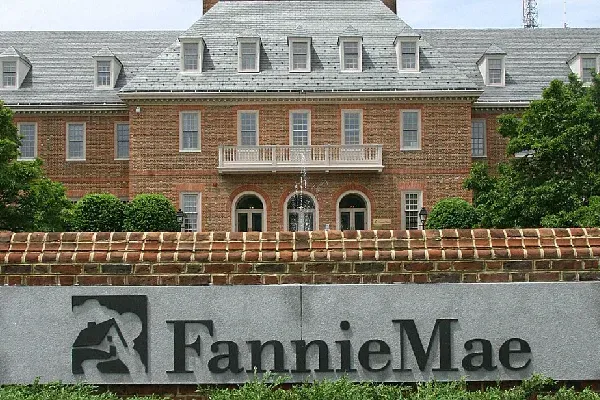
Fannie Mae – Supporting Homeownership Through Mortgages
Fannie Mae – Supporting Homeownership Through Mortgages

This overview of Fannie Mae highlights its role and importance in the mortgage industry. Here's a summary of the key points:
Fannie Mae's Purpose:
Role in Homeownership: Fannie Mae helps make homeownership more accessible by providing liquidity to mortgage lenders, thereby facilitating the availability of mortgage loans.
Promoting the American Dream: Homeownership is seen as central to the middle class and is encouraged through various financial mechanisms, including those involving Fannie Mae.
Common Misconceptions:
Not a Government Entity: Despite its origins and oversight, Fannie Mae is a publicly traded company and not a government agency.
Not a Direct Lender: Fannie Mae does not provide mortgages directly to consumers. Instead, it purchases mortgages from lenders, providing them with the funds to continue offering loans.
Historical Context:
Creation and Evolution: Founded in 1938, Fannie Mae was initially established to bring liquidity to the secondary mortgage market and to buy mortgages insured by the Federal Housing Administration (FHA).
Going Private: In 1968, Fannie Mae became a private entity and expanded its operations to include both FHA and non-FHA loans. This shift significantly increased its role in the mortgage market.
Current Status:
Publicly Traded but Regulated: Although it operates as a public company, Fannie Mae is regulated by Congress through a charter that ensures it adheres to its original mission. It operates independently of federal tax revenues.
Fannie Mae's influence in the mortgage market has been substantial, facilitating homeownership for millions of Americans by ensuring a steady flow of mortgage credit.


